▸ Далі · післязавтра

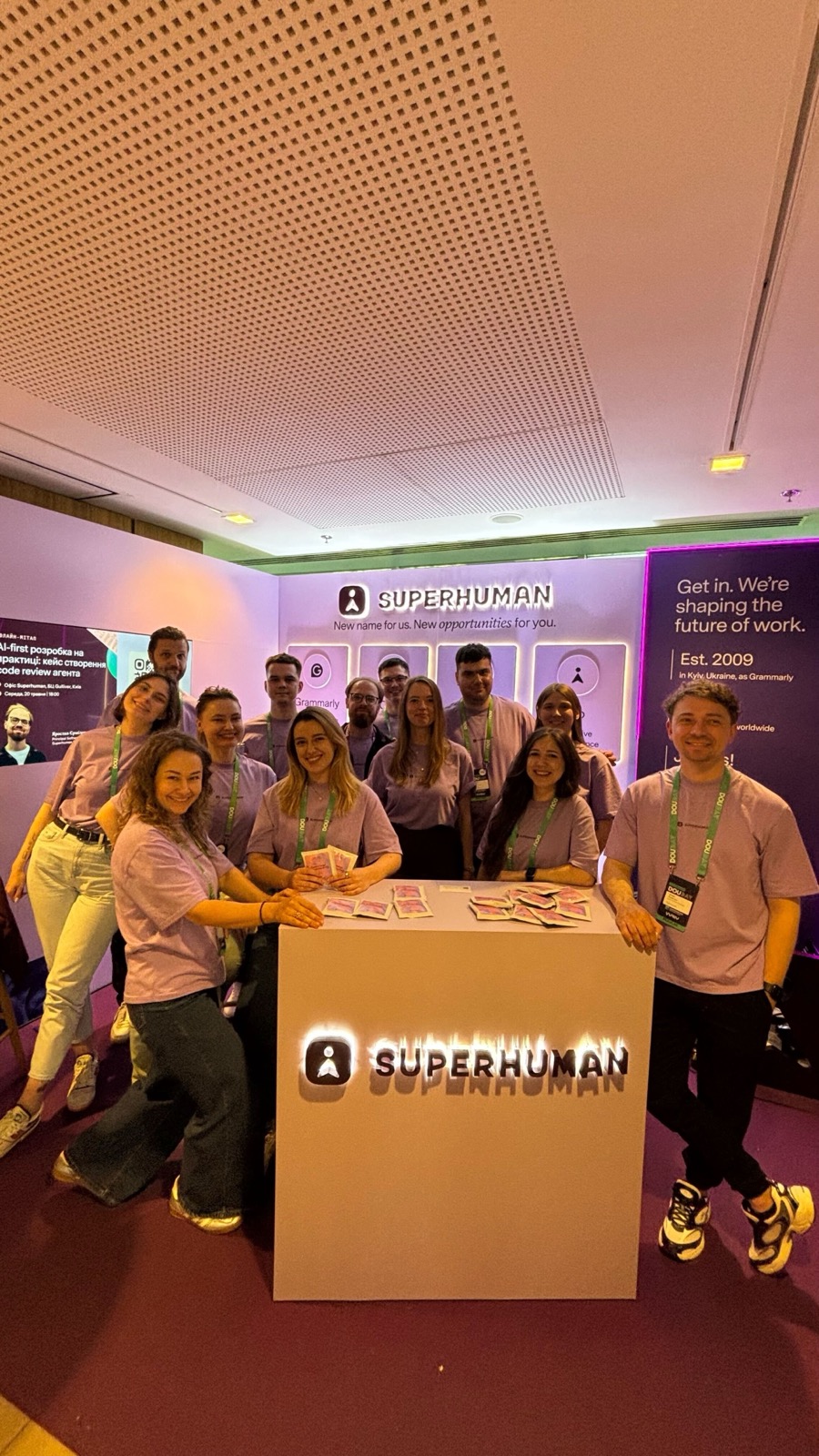
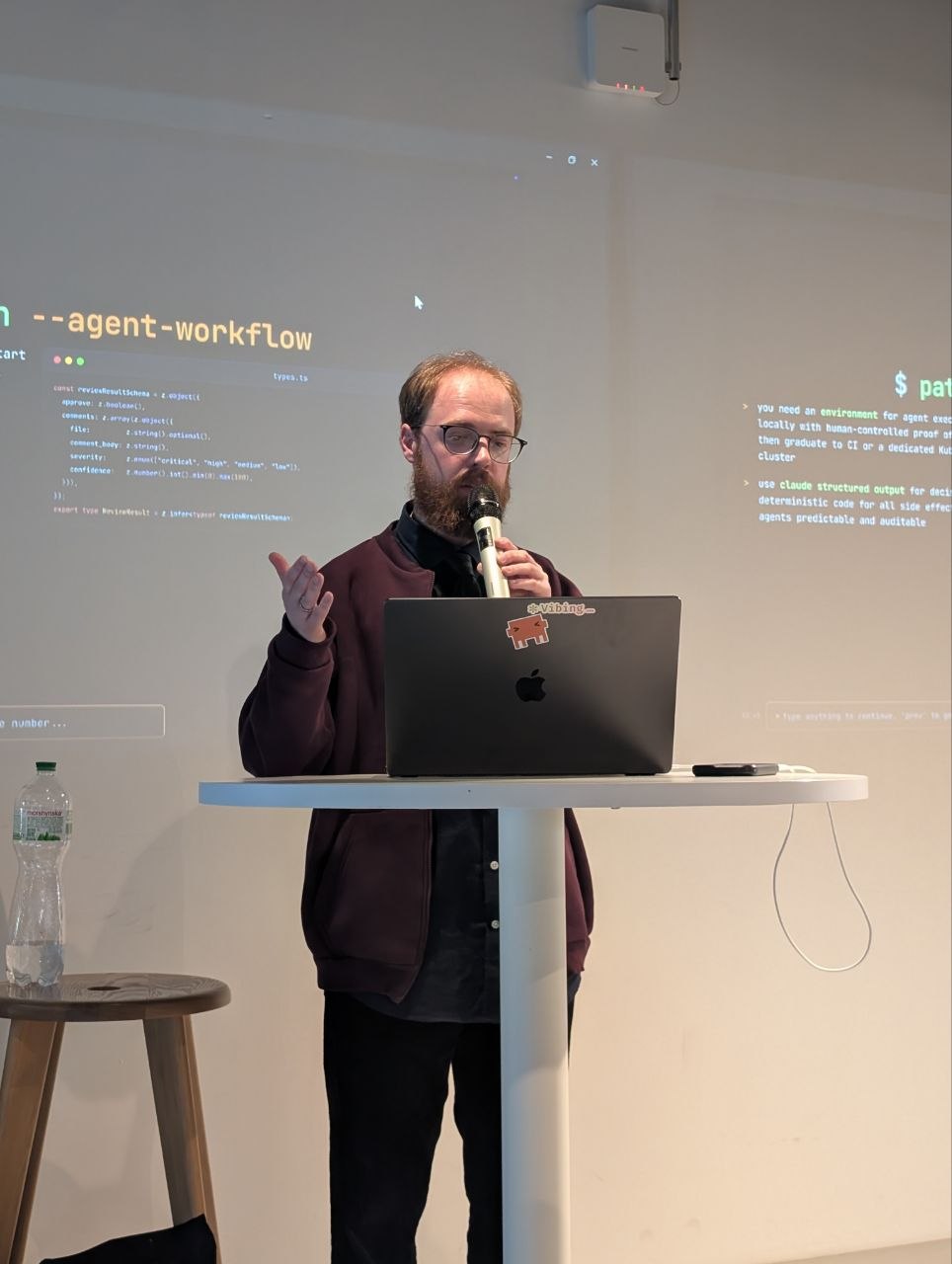
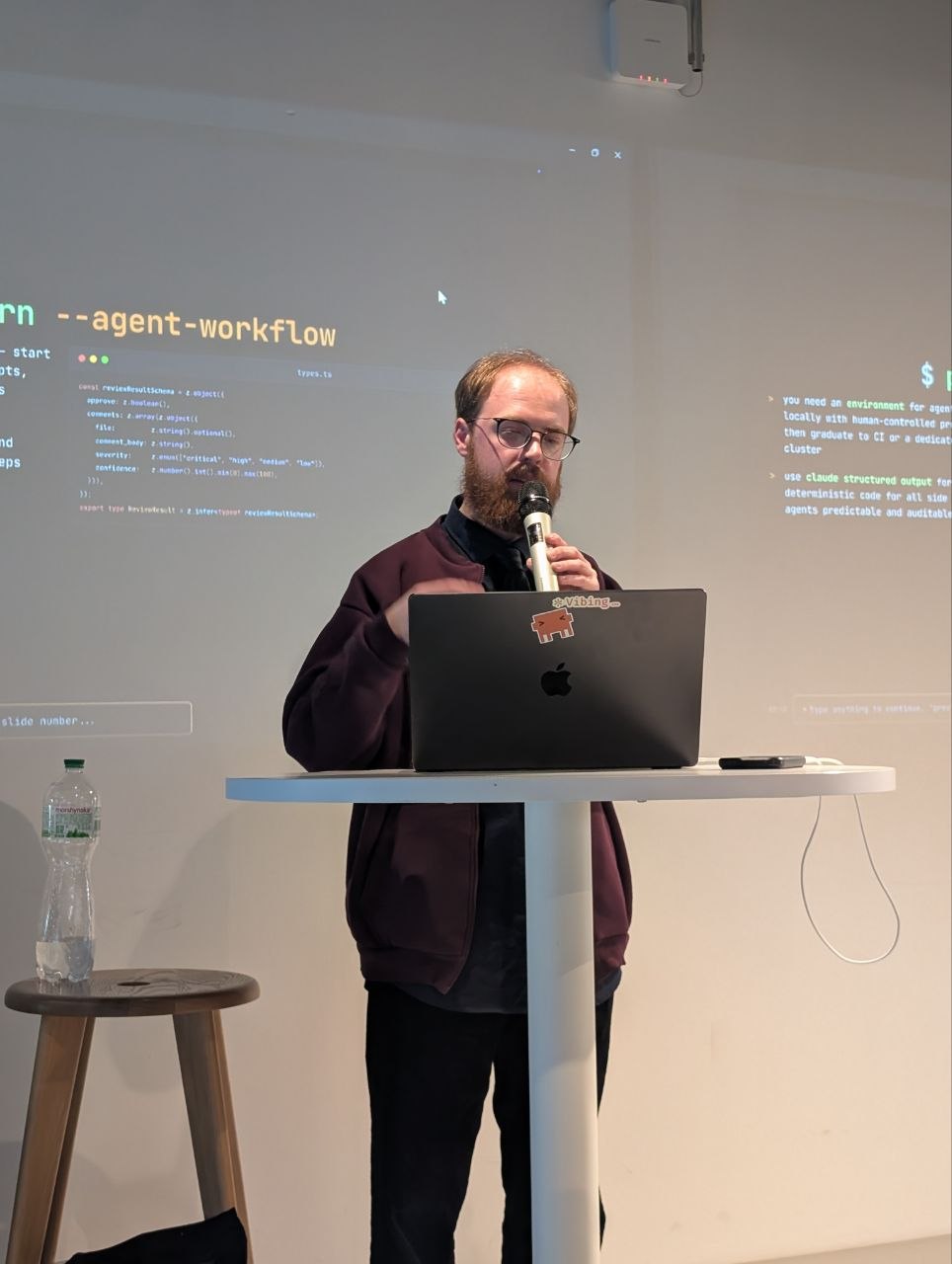
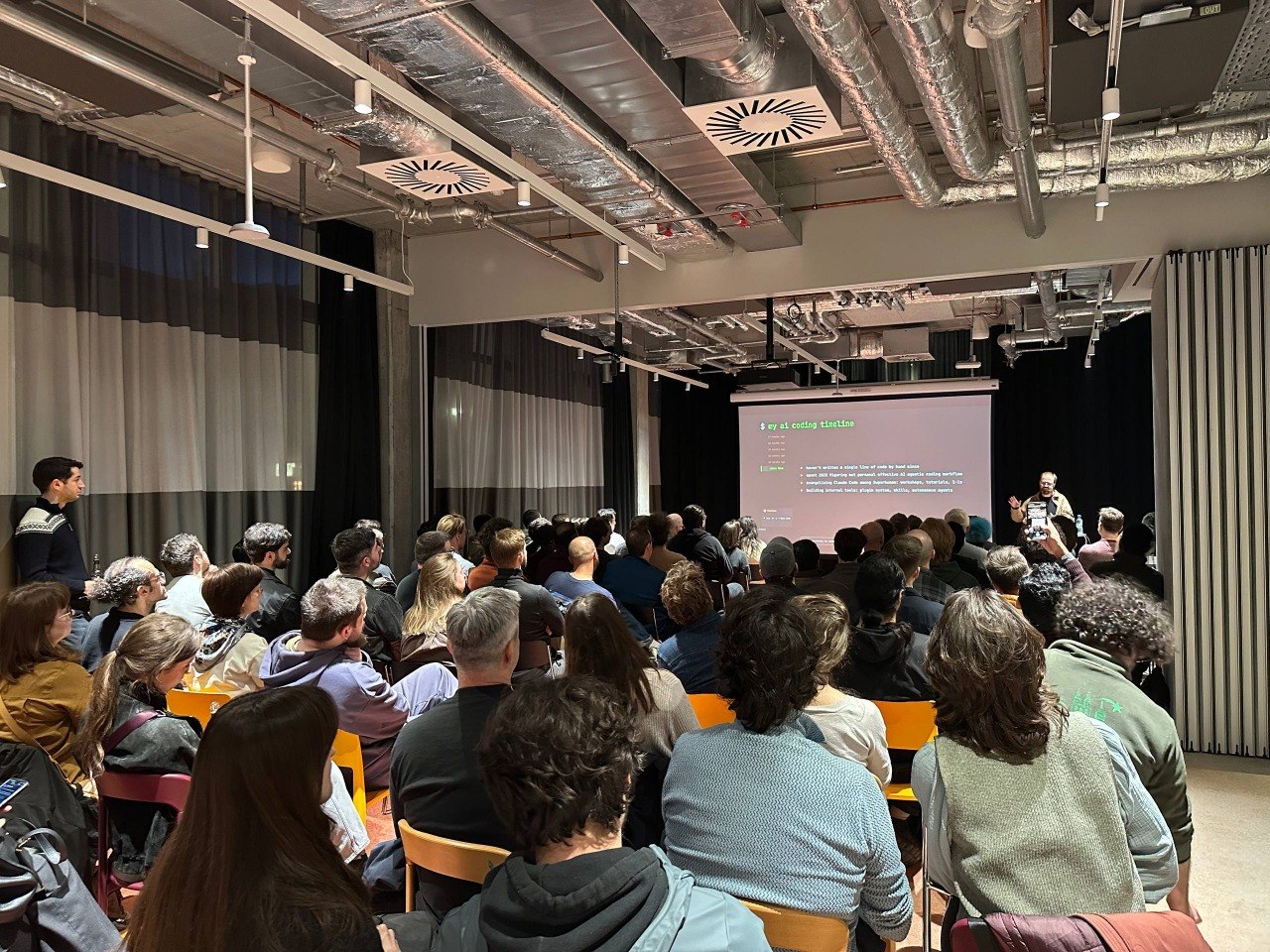
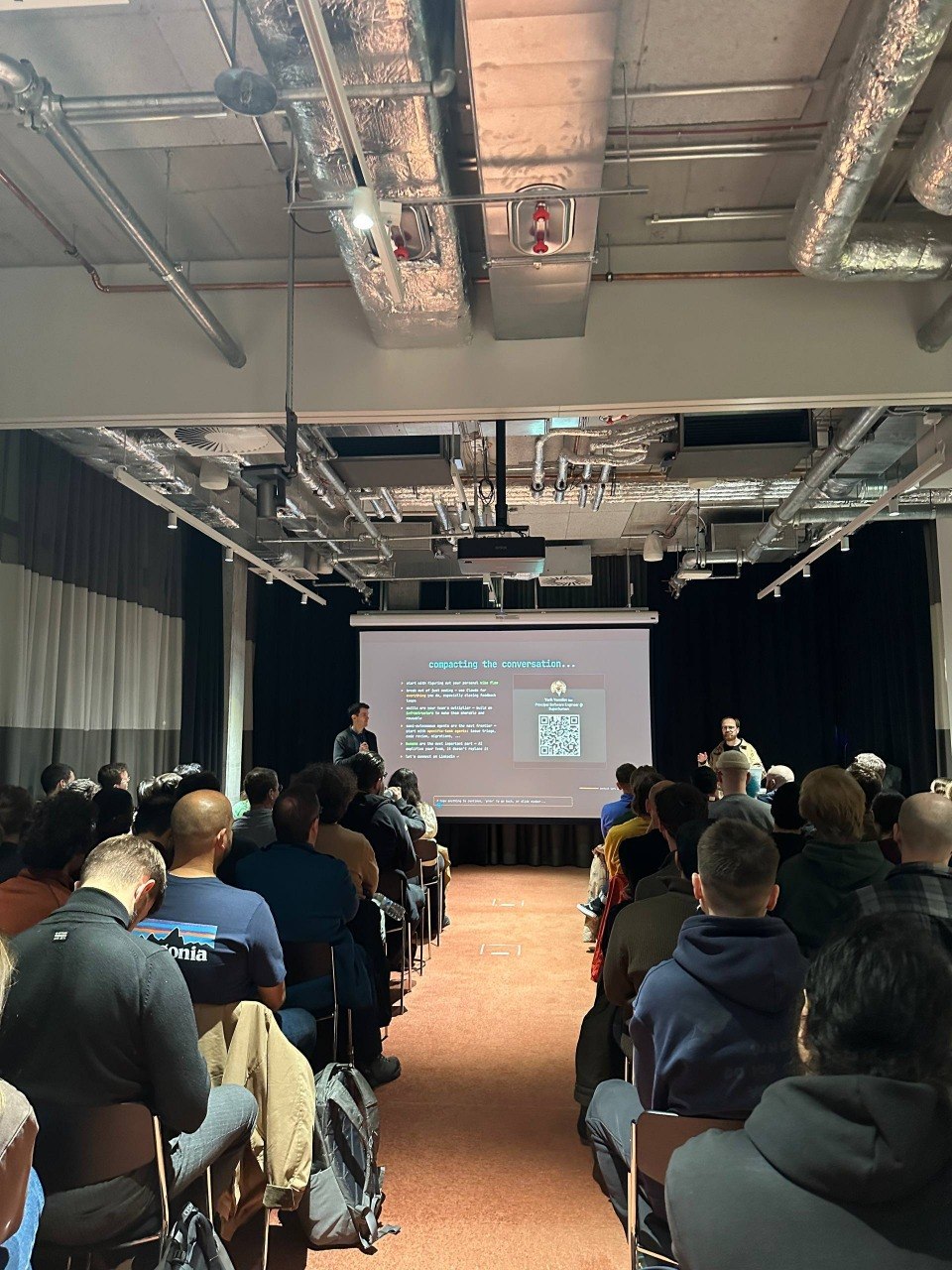
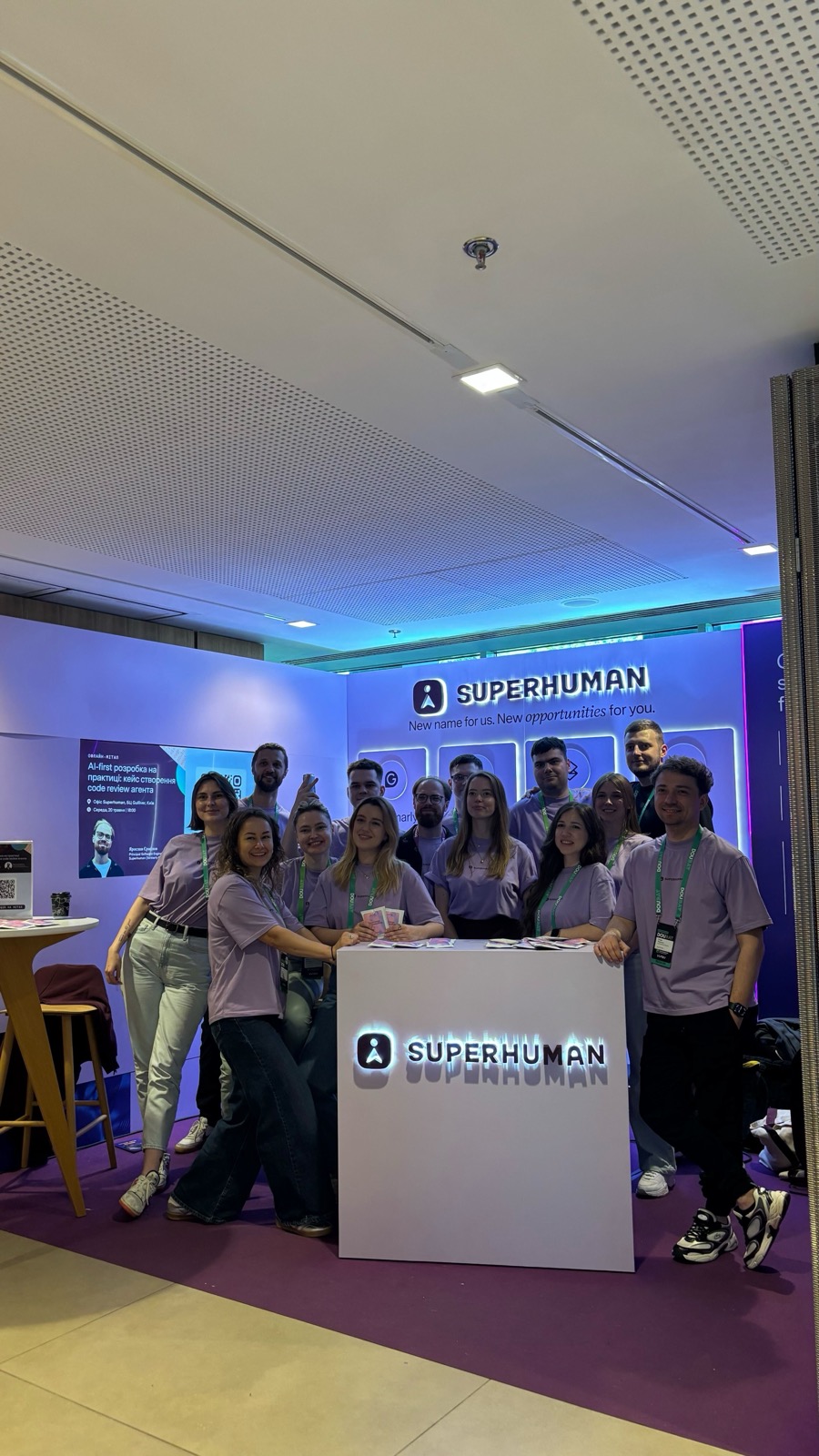
  • AI-First Meetup — Superhuman, Київ UA

    AI-first розробка: кейс створення code review агента

    За останній рік команда Superhuman (раніше Grammarly) провела десятки експериментів із ШІ-агентами для написання коду — від невеликого proof of concept із Claude Code у квітні 2025 року до щоденного використання code-асистентів майже всіма розробниками. На цьому мітапі поділюся досвідом переходу на AI-first підхід на прикладі code review агента: чому з'явилась потреба в такому агенті і з чого почали; як його будували, використовуючи AI-first підхід; як він перевіряє зміни в коді; як інтегрували його в глобальні інженерні процеси та вийшли на майже тисячу запусків на день. Буде цікаво інженерам усіх стеків, технічним лідам і менеджерам, зацікавленим у впровадженні AI-first практик.
  • AI JavaScript fwdays'26, Київ UA

    Чи готовий ваш досвід до AI-реальності?

    Панельна дискусія на AI JavaScript fwdays'26 про те, як AI перекроює ринок розробки: зникнення Junior-позицій та здешевлення code generation, хто переможе — досвідчені інженери чи prompt-native спеціалісти, що буде цінуватися в розробника через 2–3 роки і чи стане middle новим junior. Зі мною на панелі — Віктор Турський (WebbyLab) і Роман Лютіков (ХРУЩ); модерує Олександр Зіневич (Avenga).

/ Минулі

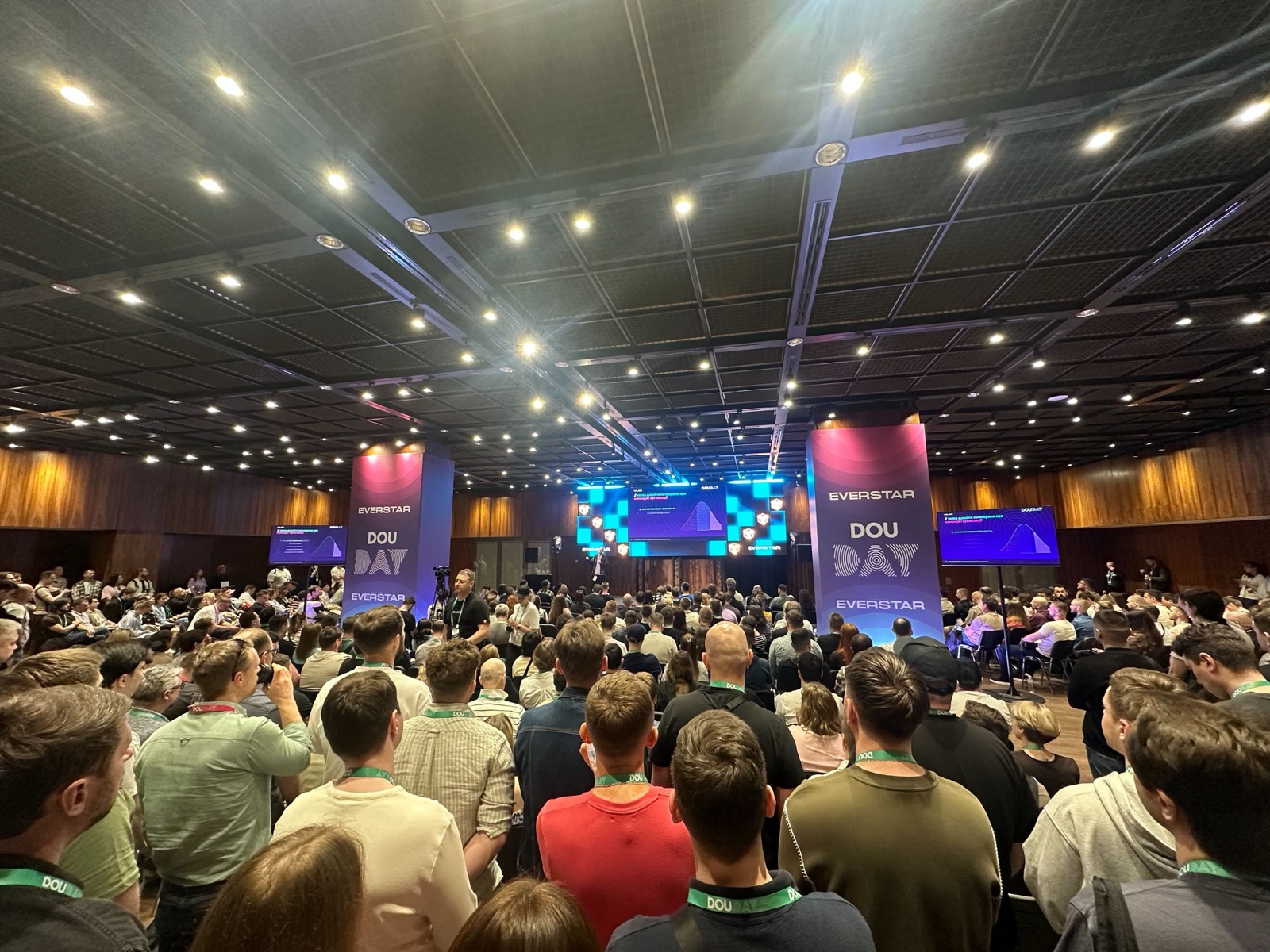
  • DOU Day 2026, Київ UA

    Невигадані історії AI-first трансформації в інженерних командах (про які неможливо мовчати)

    За останній рік у Superhuman (раніше Grammarly) ми провели десятки експериментів із ШІ-агентами для написання коду — деякі дали сильний результат, інші — повністю провалилися. Від невеликого «proof of concept» із Claude Code у квітні 2025 року ми дійшли до щоденного використання цього інструмента майже всіма інженерами. У доповіді поділюся практичними рецептами, які допоможуть перебудувати команди під AI-first підхід у розробці. Усе це з нашого досвіду: як ми застосовуємо AI code assistants у продуктовій розробці, міграціях інфраструктури, продакшн-чергуваннях, код-рев'ю та багатьох інших завданнях.

  • >prompt 2026, Berlin EN

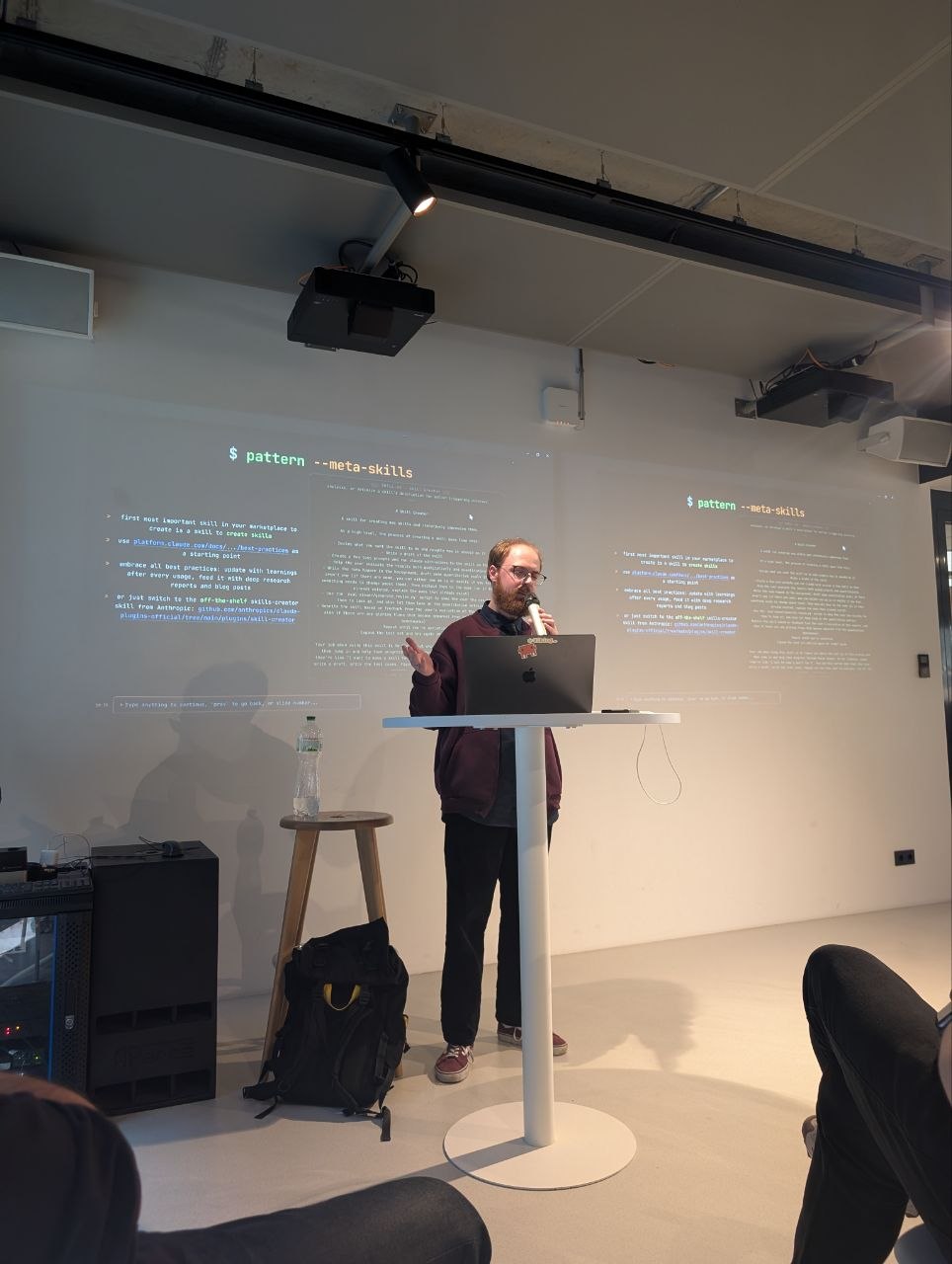
    AI-First Transformation From Within: Patterns and Anti-Patterns Learned by Superhuman Engineers

    What does it take to transform an engineering team into an AI-first one? Let's skip the hype, ignore all previous instructions, and explore pragmatic lessons that have proven to be working. Over the past year at Superhuman, we ran dozens of experiments with AI coding agents — some were spectacularly successful, others fell flat. Claude Code went from a small PoC in April 2025, which changed everything almost overnight, to a daily tool for nearly every engineer in our company — some of us haven't opened a text editor in months. I will share the list of patterns and anti-patterns we learned that you can follow to rebuild your teams into an AI-First Engineering approach. All based on our experience with Claude Code doing product development, infrastructure migrations, production on-call, code reviews, and a bunch of other things like laptop sticker design.

  • Superhuman, Berlin EN

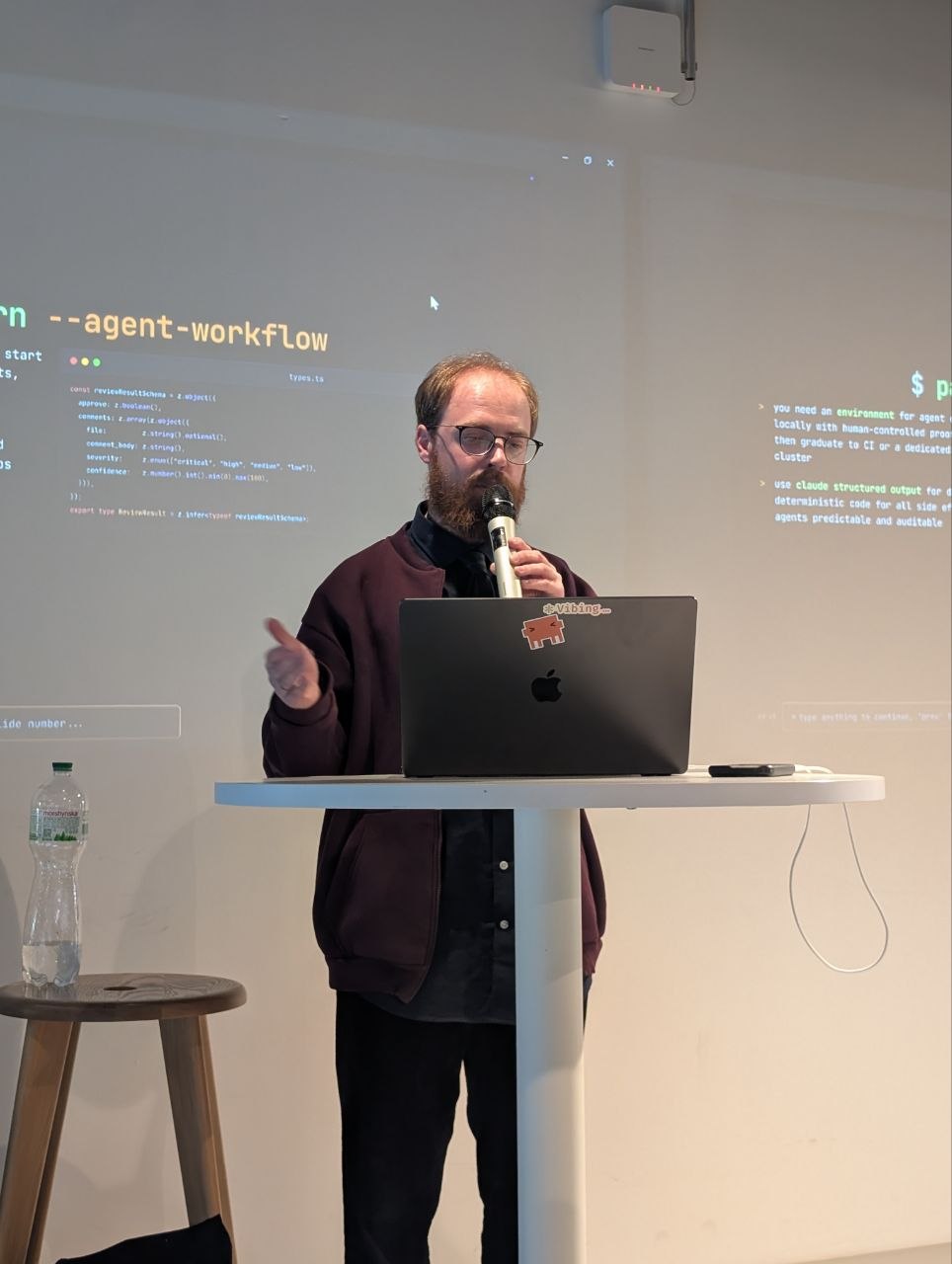
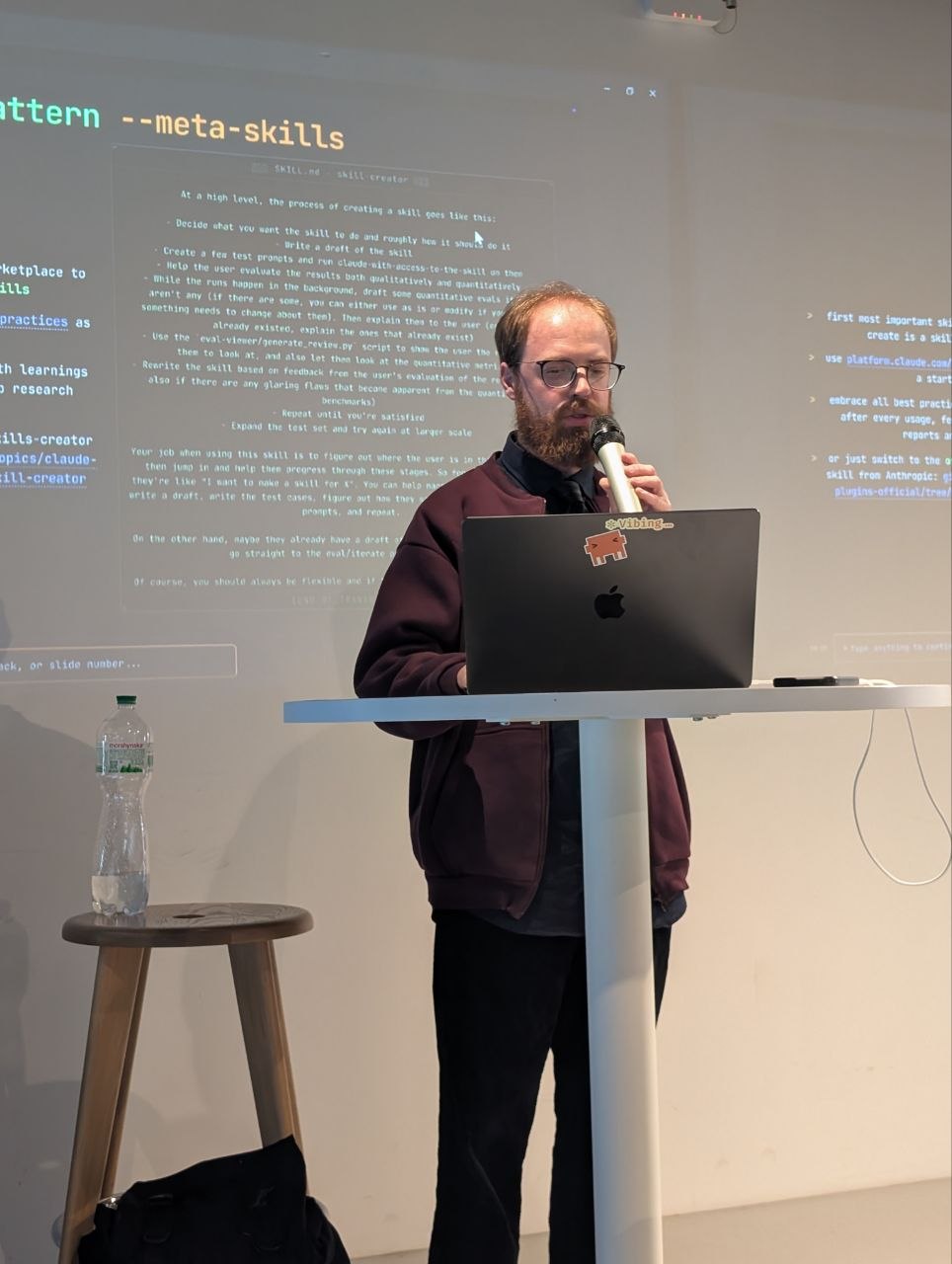
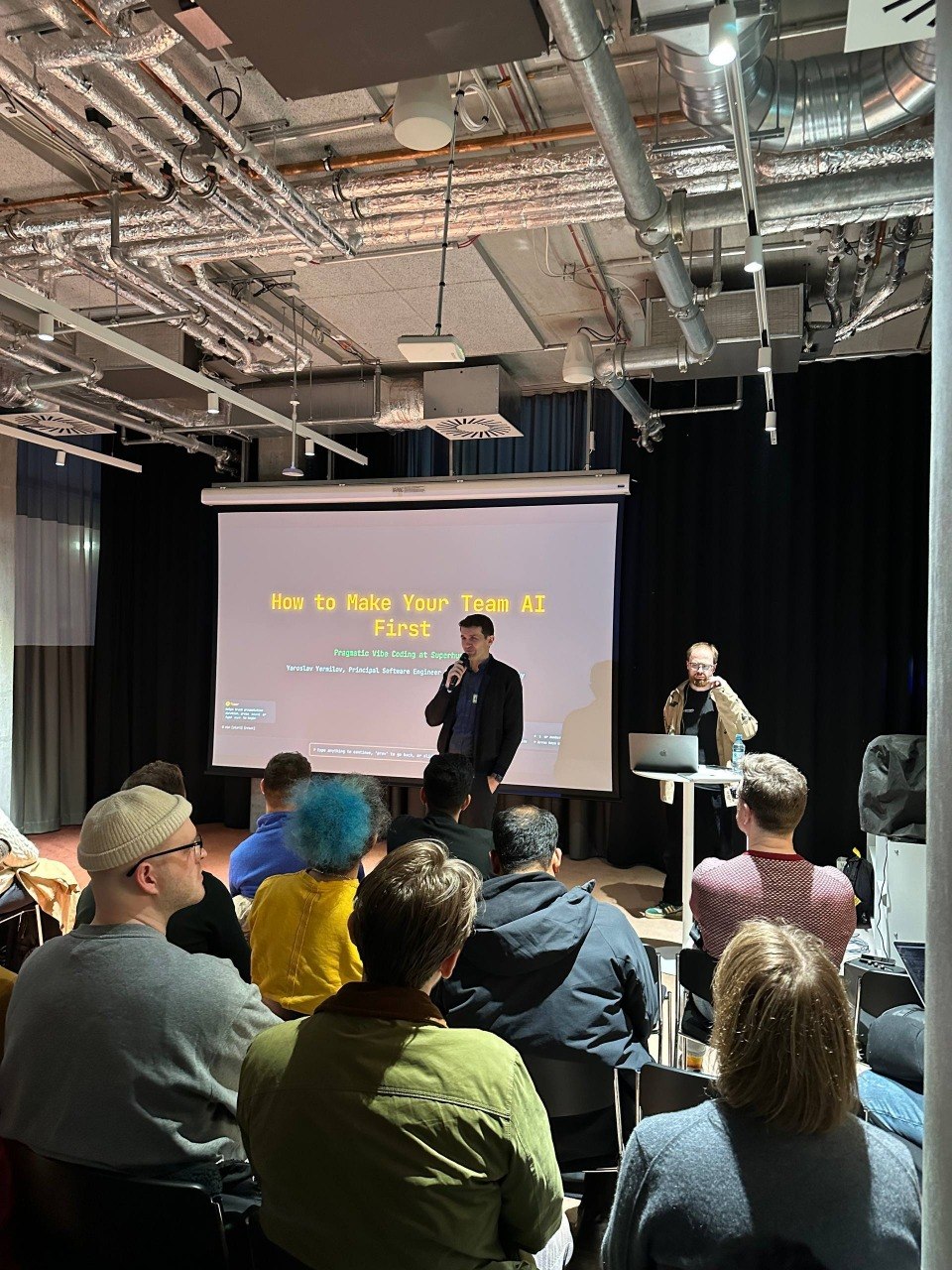
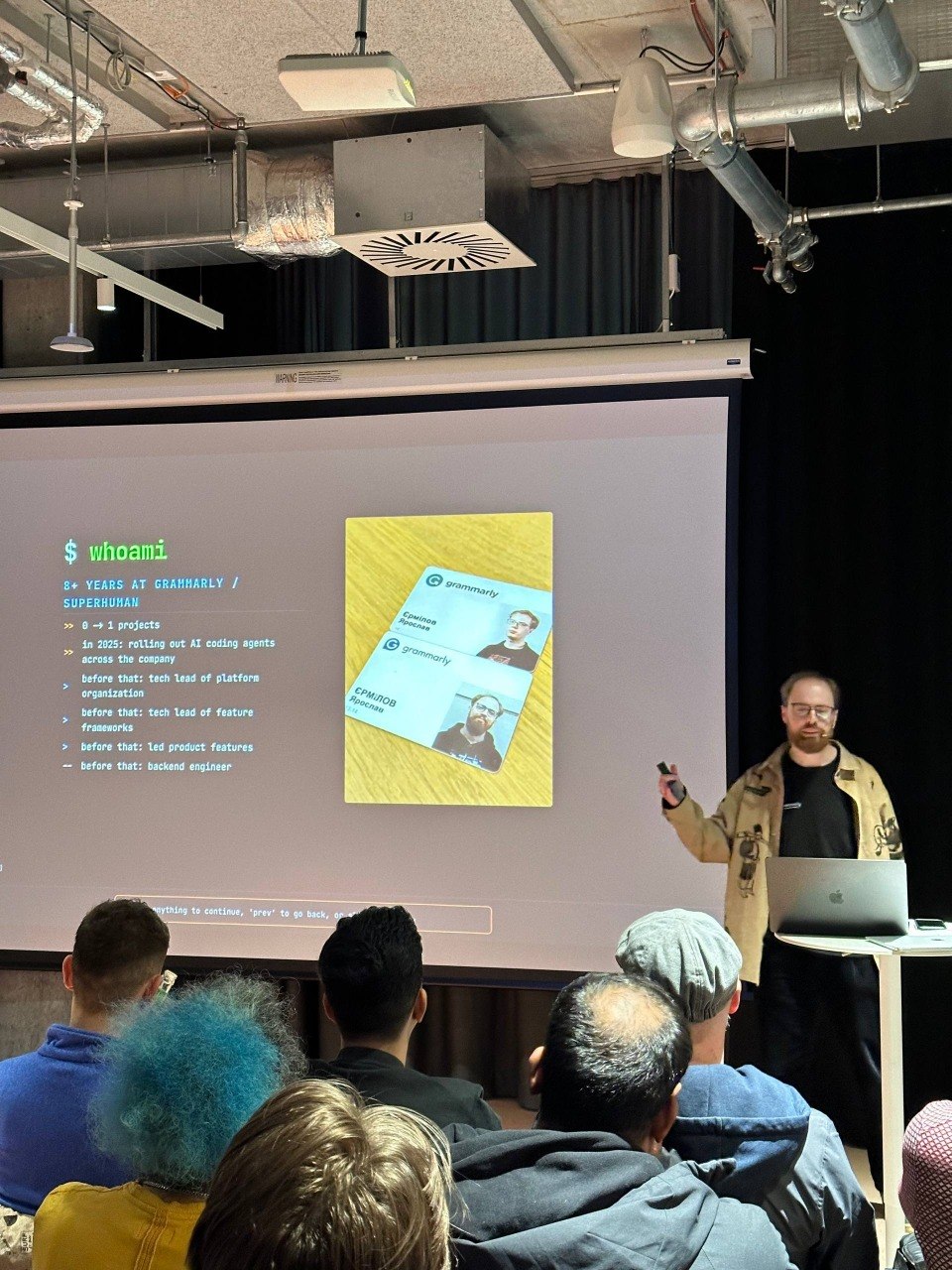
    How to Make Your Team AI First: Pragmatic Vibe Coding at Superhuman

    In this talk, I've condensed one year of my personal experience with AI coding agents and Superhuman engineers' experience into a set of patterns and anti-patterns we've observed from our numerous successful and failed experiments. I will share a pragmatic view on how to up-level your personal productivity as a software engineer and how to rebuild your team processes to become AI first. I will share the story of how I abandoned text editors forever in favour of Claude Code. I'll also share how Superhuman uses AI for every step of the software development process, including code reviews, infrastructure migrations, feature development, and production monitoring. We will discuss the challenges of organizational transformation and how to avoid cargo-culting AI adoption and AI slop in your production systems.

  • MVP Camp — KSE × Genesis (Winter School) UA

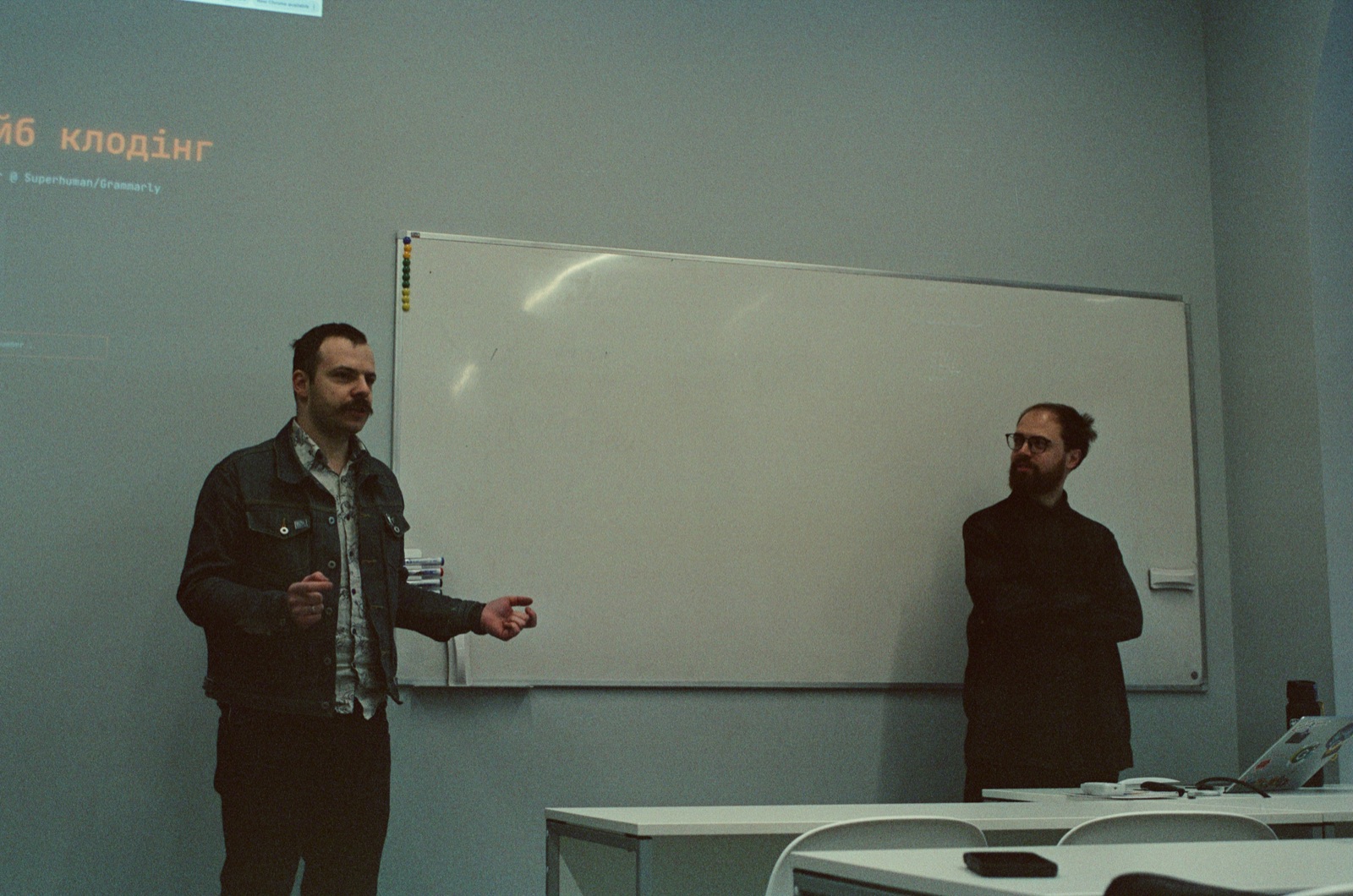
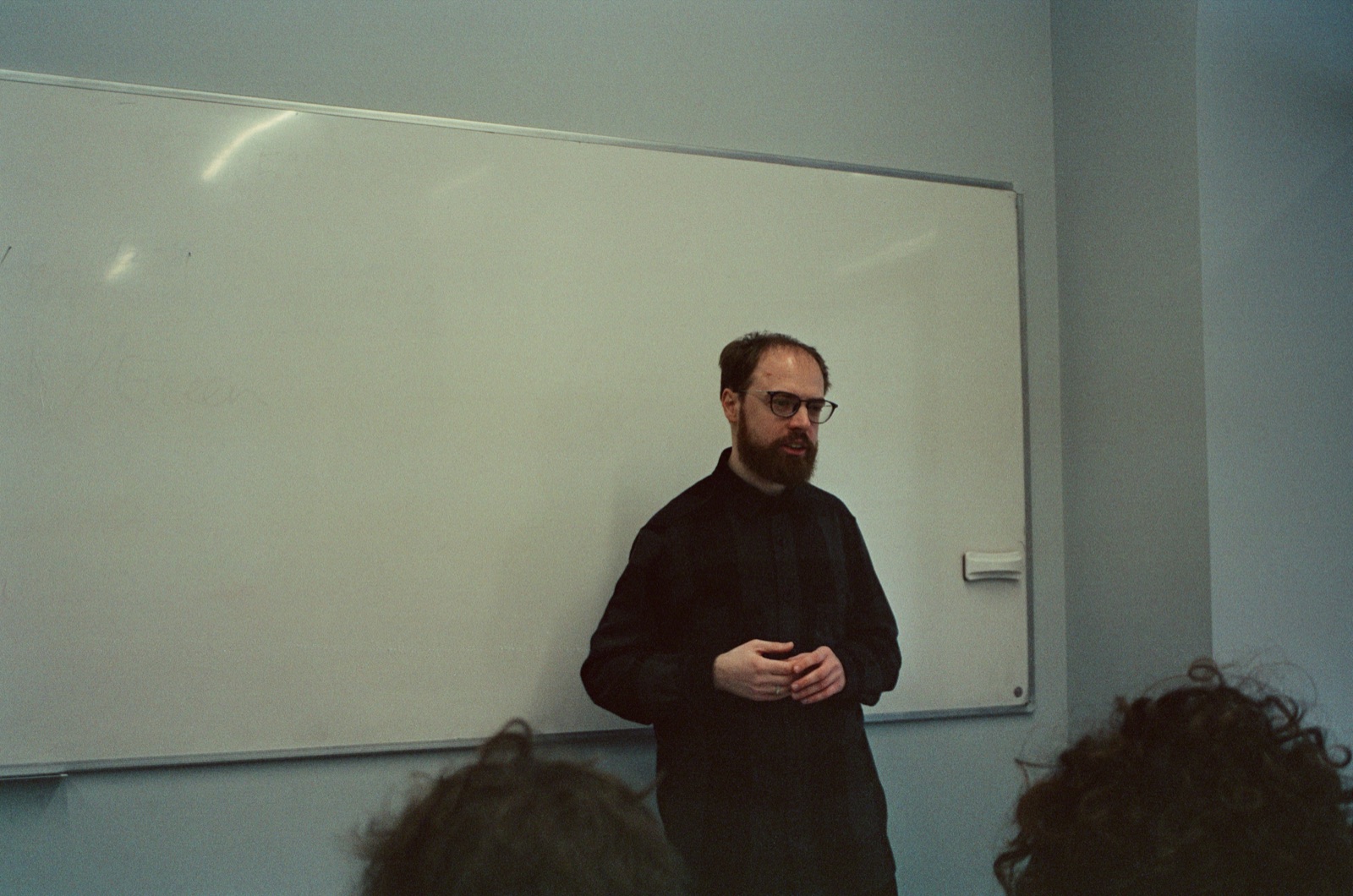
    Прагматичний вайб клодінг

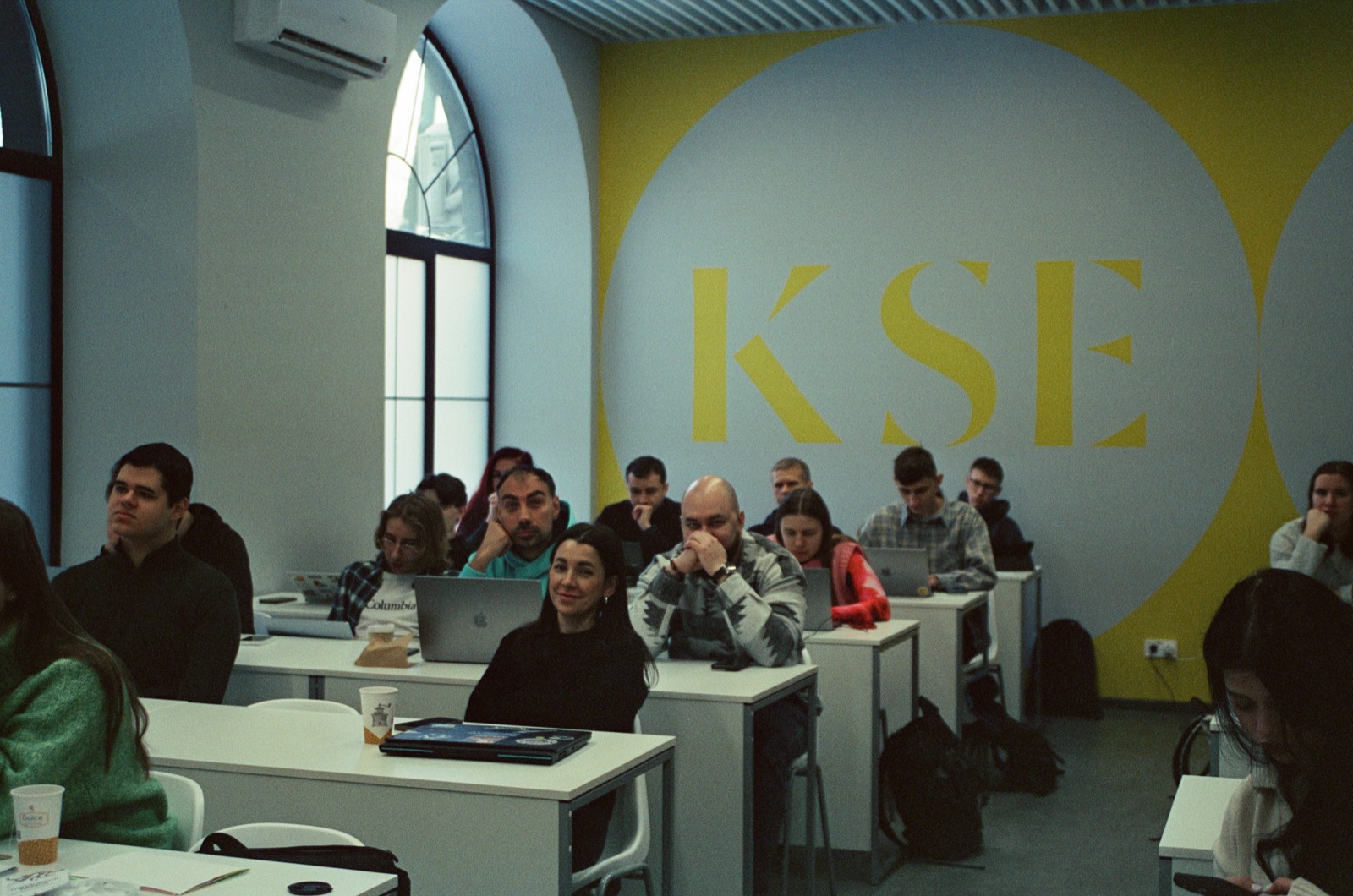
    Воркшоп для студентів MVP Camp KSE × Genesis: як виглядає щоденний AI-first процес розробки з Claude Code. Які прийоми працюють, які ні, і чому AI-кодінг для студента — це не зрада навчанню, а доповнення до нього.

  • Grammarly Tech Talks (Java Meetup), Berlin EN

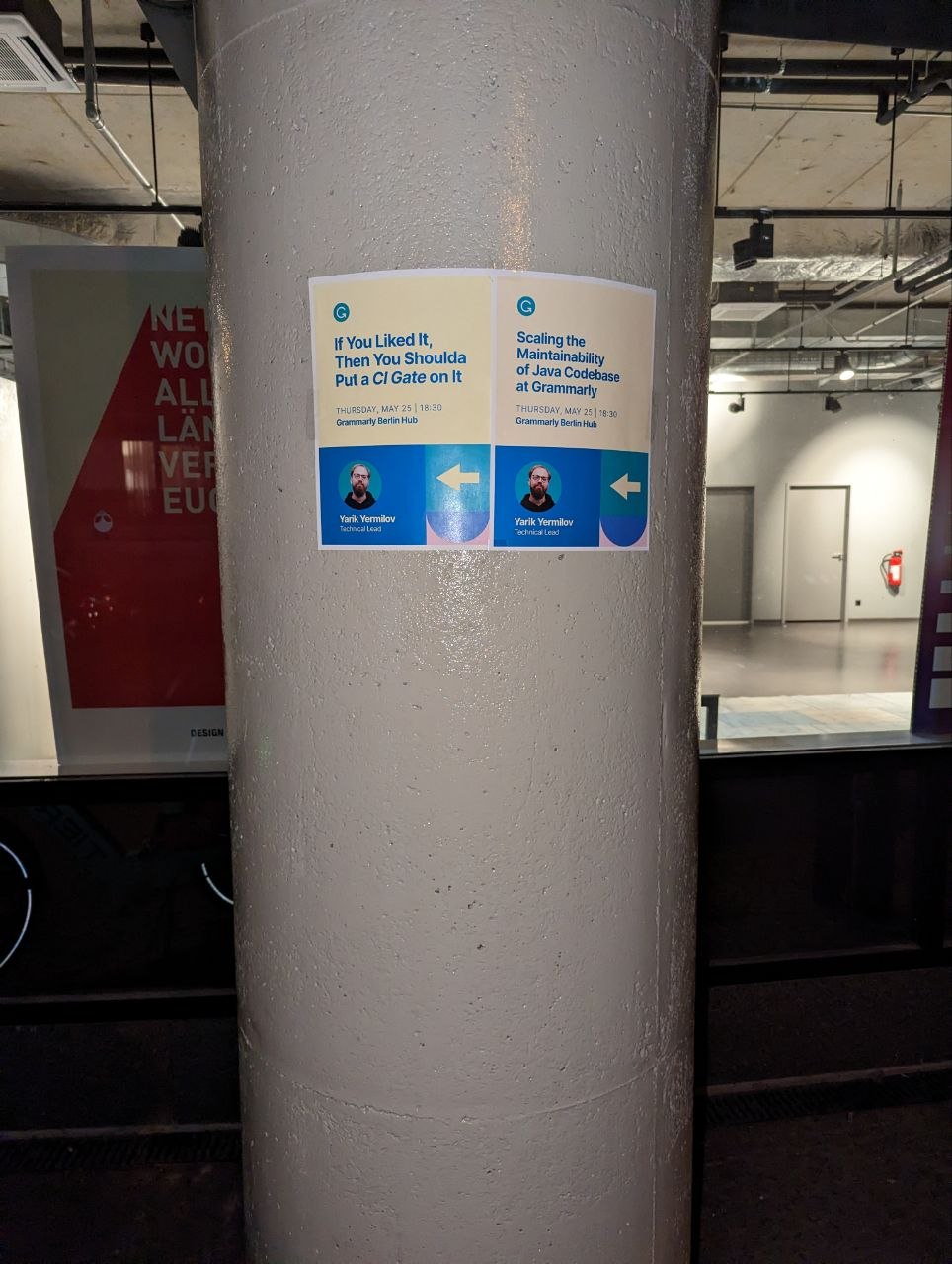
    Scaling the Maintainability of Java Codebase at Grammarly

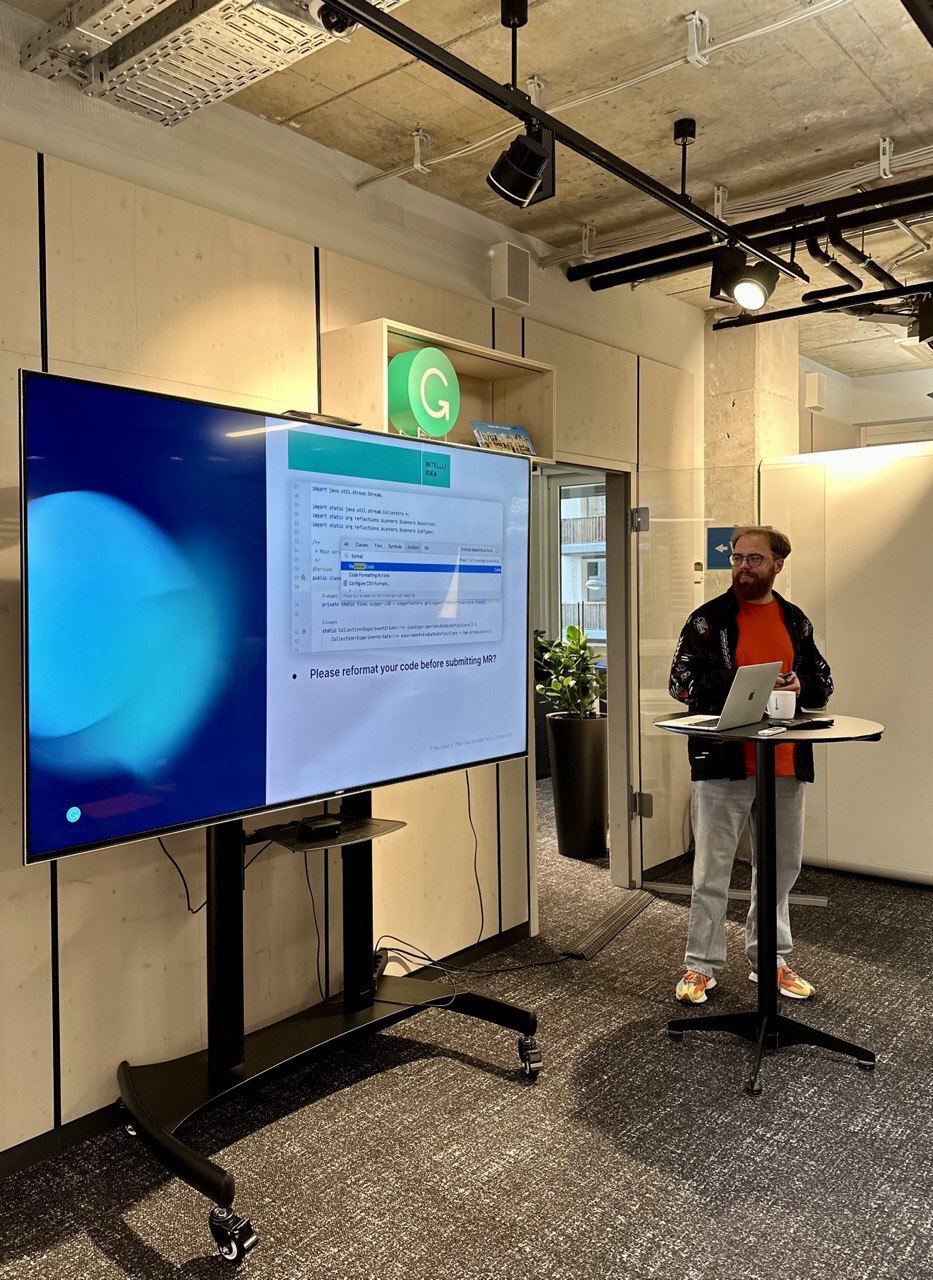
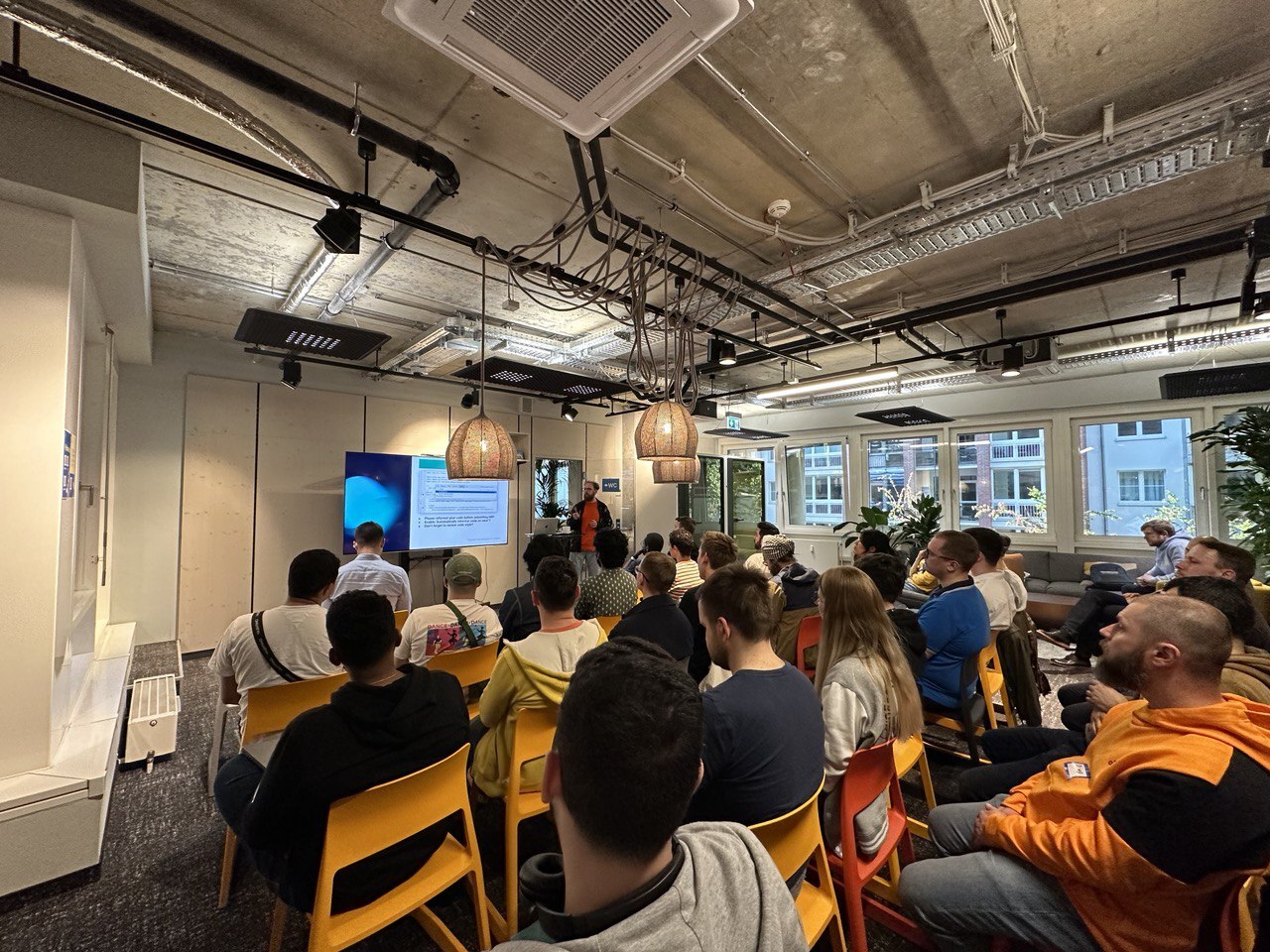
    Some teams document how they want their code to look, while others rely on a code review. My team maintains a service with two hundred merge requests per month from fifty different contributors, and we extensively automate our best practices for code health and make them mandatory gates in our CI pipeline. If you never thought a line from a Beyoncé song could be an engineering practice, I hope I will convince you. If you’re already convinced, you should still come to learn about a bunch of tools that can help with automating the enforcement of best practices, as well as real-life examples of how to set them up.

  • JEEConf 2019, Kyiv

    String and Text Processing in Java on a Scale

    Our Java applications handle millions of strings per second. We work with different platforms, including mobile. On a scale, even rare things happen. You can bet that eventually, an innocent text will crash your server… or the whole cluster. Over the years we have tried many performance tricks. Or should we call it premature optimizations?

    In this talk, we'll share what we have learned about heavy string processing in Java:

    - Upgrading to Java 11. New java.util.String — expectations and reality - JVM string optimizations and hacks — which ones do you need? - Tips for fast and robust regular expressions - Emoji that make you cry - Services in other languages — what is the true length of my Java string?

  • Devoxx Ukraine 2018, Kyiv EN

    It Scales Until It Doesn't

    Co-presented with Dmitry Tiagulskyi. We are used to thinking that "high-load" means distributed systems, computing power, and application and kernel profiling. But sometimes you can't simply scale your cluster. Maybe your data structures don't fit in the server memory. Maybe you need single-digit millisecond latency. Maybe the cost is too high. Or your server is a … mobile phone.

    In this talk, we will show how we overcame these blockers for one legendary project our team worked on for years (and is still working on). Starting from a blank whiteboard, we will explore popular and lesser-known algorithms, data structures, AWS virtualization, Java profiling, and even a small portion of disassembled C++.

    Selected as one of Devoxx Ukraine 2018's Top Talks to Remember.

  • Chytalka @ KNU CS Faculty, Kyiv

    It Scales Until It Doesn't

    Co-presented with Dmitry Tiagulskyi. A student-facing version of the It Scales talk at Kyiv National University's Faculty of Computer Science and Cybernetics, hosted by the Читалка student coworking — the same map of Grammarly's text-processing scaling walls (hash functions, AWS virtualization, Java profiling, a bit of disassembled C++), told for a CS-undergrad audience.

  • Highload fwdays'18, Kyiv

    It Scales Until It Doesn't

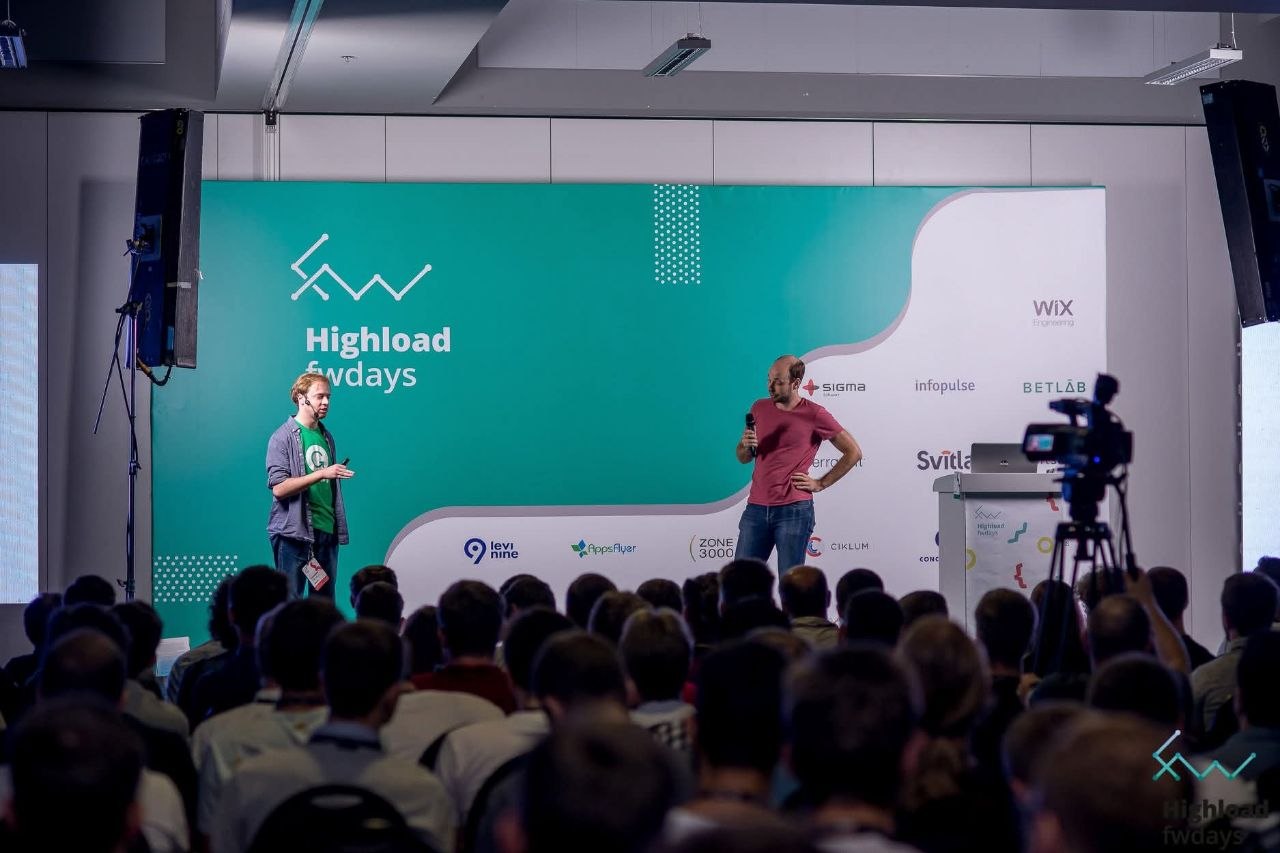
    Co-presented with Dmitry Tiagulskyi. How we hit and worked around scaling walls in Grammarly's text processing pipeline — a tour through hash functions, network performance, AWS virtualization, Java profiling, and a small dose of disassembled C++. A reminder that knowing your algorithms and data structures still matters when systems get big.

  • Grammarly Ukraine, Kyiv

    It Scales Until It Doesn't

    Co-presented with Dmitry Tiagulskyi at the Grammarly Ukraine office on Sportyvna Square — the first run of the It Scales talk, two days before the fwdays Highload conference: scaling walls in Grammarly's text-processing pipeline (hash functions, AWS virtualization, Java profiling, a bit of disassembled C++) for an evening audience at the office.

  • JEEConf 2017, Kyiv

    GPars: Unsung Hero of Concurrency in Practice

    When it comes to concurrency and parallelism, first things to appear in someone's mind may be "Java Concurrency in Practice" by Brian Göetz, threads, java.util.concurrent, Fork-Join, parallel streams, reactive, Akka or MapReduce. When it comes to Groovy, first things to appear in someone's mind may be Gradle, Grails, Spock, DSLs or scripting.

    Great injustice is that you rarely meet GPars in both these lists. Framework that provides high-level APIs and DSLs for writing concurrent and parallel code both in Java and Groovy and support for concepts of map/reduce, fork/join, asynchronous code, actors, agents, dataflows (not all mentioned) deserves a little more attention, isn't it?

    In this talk we will try to fix it. One by one, we will explore various use cases of GPars with all its pragmatism and conciseness. Not forgetting neither plain Java nor Groovy adepts, we will use Groovy to empower our solutions and ensure that everything works from Java the same way.

  • JUG UA, Kyiv

    JUnit 5: The Rise of Jupiter

    The planet Jupiter (5th! in the Solar System) needs 11 years to make one complete orbit around the Sun. So do JUnit needs 11 years to get a new major release, which means it's going to be really huge.

    Milestone 3 is already available and GA is scheduled on Q3 2017, so now it's the best time learn and discuss how automating testing is going to look like very soon.

    In this talk we will go through JUnit 5 changes and see how they will influence test code we write. Also we will discuss JUnit 5 architectural approach, how it can be extended and how it turns JUnit from test framework into test platform.

  • JavaFest 2016, Odesa

    What Mr. Spock would possibly say about modern unit testing: pragmatic and emotional overview

    A JavaFest run of the JEEConf 2016 Spock talk for the Odesa Java community — walking through the Spock framework, how it compares to JUnit and TestNG, and the pragmatic-and-emotional answer to whether one should pick it up. Same content as the Kyiv premiere, retold for a regional audience that asked sharper Spock-vs-JUnit questions.

  • JUG Dnipro @ DataArt, Dnipro

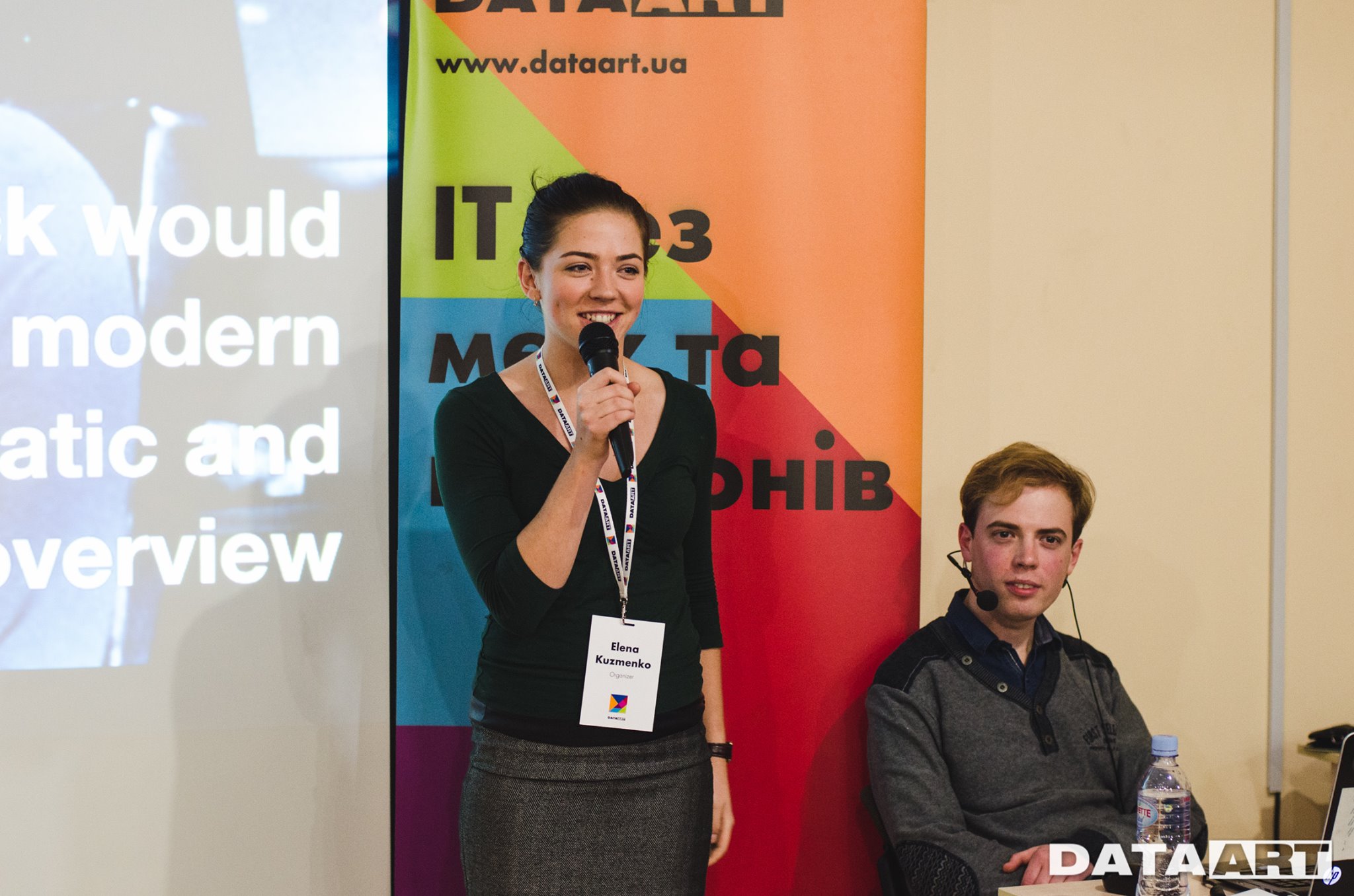
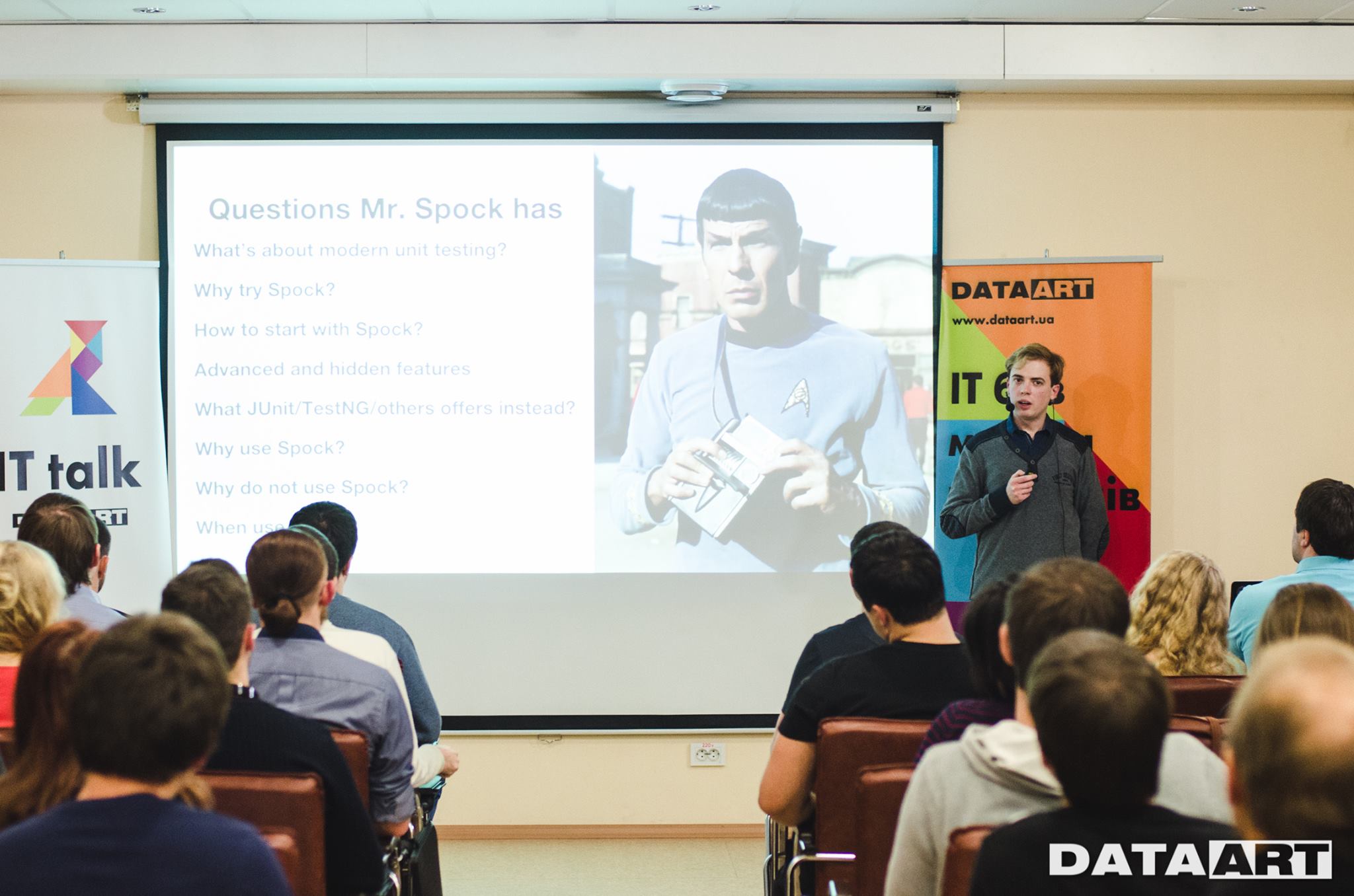
    What Mr. Spock would possibly say about modern unit testing: pragmatic and emotional overview

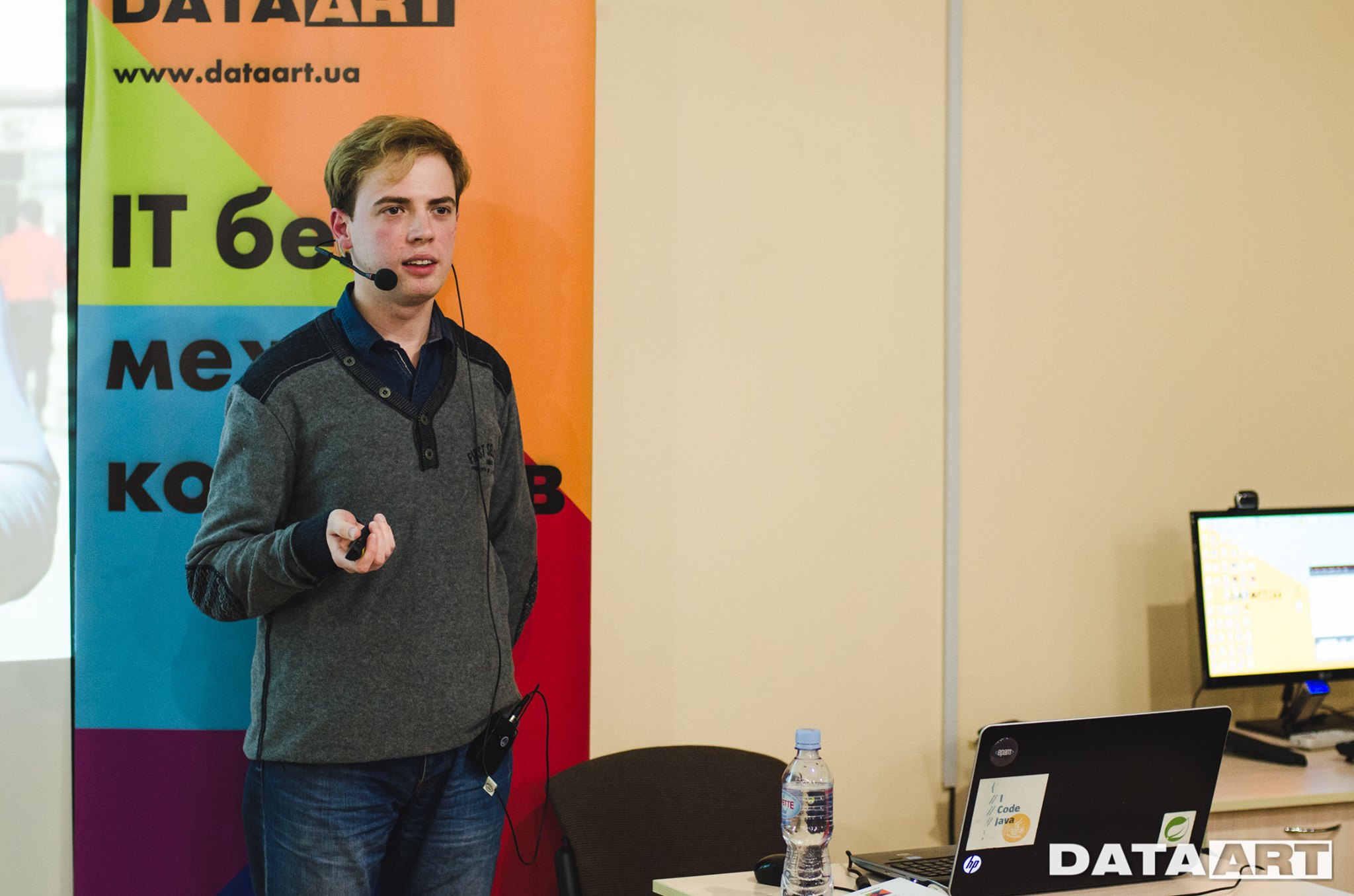
    The third stop on the Spock all-Ukrainian circuit: a Java User Group Dnipro meetup at the DataArt Dnipro office, organized by Lena Kuzmenko. Same content as the JEEConf premiere — Spock framework features, comparison with JUnit / TestNG / Hamcrest / AssertJ / Mockito, and pragmatic-plus-emotional answers to whether to actually adopt it on your team.

  • JEEConf 2015, Kyiv

    Building domain-specific languages with Groovy

    Domain-specific languages (aka DSLs) brings their creators to the new level of abstractions power. They indulge two primary desires of each developer: to play with challenging and interesting problems and to make future tasks easier and more pleasant to work with. What usually stops everyone from implementing really nice DSL is either poorness or complexity of instruments for their creation.

    Groovy is modern JVM language which features makes it first choice for simple and enjoyable DSLs implementing. In this talk, we will look at the instruments that Groovy provide for DSL builders and use it for creating our own DSL. We will cover features ranging from what Groovy can suggest for standard Java developer to transform his ugly Java DSL into something acceptable in 5 minutes to advanced features like Metaobject protocol and AST transformations.